Your motorcycle’s seat is one of the first things riders notice — and one of the first parts to show wear. Faded vinyl, flattened foam, small tears, and a dull finish don’t just look bad: they make rides less comfortable and can let water and UV damage progress. This guide walks you through professional-level techniques to restore the shine of motorcycle seats, repair or replace covers, and choose the Best Upholstery Shop for Motorcycle Seat Repair in Oshawa when a DIY approach isn’t the right call. It also uses the local context of Motorcycle seat repair Oshawa Ontario and Seat Cover Replacement for Motorcycles in Oshawa Ontario so you can act locally when needed.
Why restore instead of replace?
Restoring a seat is usually faster and far less expensive than buying a full replacement seat or custom unit. Restoration can:
- Return lost surface shine and suppleness.
- Seal small tears so they don’t grow.
- Replace or reshape foam for improved comfort.
- Preserve original fit and styling (important for vintage bikes).
If the base pan is cracked or foam is severely degraded, replacement may be needed — and that’s when you should consider Seat Cover Replacement for Motorcycles in Oshawa Ontario with a trusted local shop.
Quick inspection checklist (what to look for)
Before you start any work, inspect the seat carefully:
- Surface: fading, discoloration, chalky texture, or hardening (UV damage).
- Tears: seams split, punctures, or rub-through.
- Foam: soft spots, permanent dents, or water retention.
- Base: rusted or cracked pan, broken mounting studs.
- Smell/moisture: trapped mildew from leaks.
If you find structural damage to the foam or pan, restoration will still help cosmetically, but consider professional Motorcycle seat repair Oshawa Ontario services for structural repair and cover replacement. Local shops such as Trim Tech Interiors and Mark’s Auto Trim list motorcycle seats among their services.
Tools & materials you’ll need
Basic tools:
- Philips and flat-head screwdrivers (for seat removal).
- Pliers, hog ring pliers (for re-securing covers).
- Utility knife and scissors.
- Heat gun (or hair dryer for lighter work).
- Upholstery hog rings and hog ring pliers, or stainless steel staples (as appropriate).
Cleaning & restoring materials:
- Mild soap (pH neutral) or specialized vinyl cleaner.
- Isopropyl alcohol (70%) for grease/adhesive removal.
- Soft microfiber cloths and soft-bristle brush.
- Vinyl conditioner / UV protectant designed for marine or motorcycle use.
- Vinyl repair kit (for small tears) or sub-surface patch material.
- New cover material (marine-grade vinyl or leatherette) if replacing.
- High-density foam or foam-cutting knife (if foam replacement needed).
If you prefer leaving technical tasks (foam sculpting, full re-covering) to professionals, shops in the Durham Region and wider Greater Toronto Area offer motorcycle seat reupholstery and custom work. Examples of Ontario upholstery providers that handle motorcycle seats include Potzy’s Upholstery, Fibrenew (automotive leather/vinyl specialists), and regional trim shops.
Step 1 — cleaning: the foundation of shine
A good shine starts with deep cleaning.
- Remove the seat from the bike (consult your owner’s manual).
- Mix lukewarm water with a mild pH-neutral soap or a purpose-built vinyl cleaner.
- Use a soft brush to agitate grime in seams and creases, then wipe with a microfiber cloth.
- Rinse with clean water and dry thoroughly. Use isopropyl alcohol on stubborn grease spots (test a hidden area first).
Why this matters: dirt, oils, and old conditioners prevent new products from bonding and hide the true condition of the vinyl. Cleaning reveals whether restoration is enough or if replacement is needed.
Step 2 — repairing small tears and punctures
If you’ve found tiny splits or pinholes, you can often fix them without removing the cover:
- Vinyl repair patch kit: These kits include adhesive backing and texture/pigment compounds. Clean the area, apply adhesive, insert backing patch beneath the tear (if accessible), then top with the kit compound to blend the surface.
- Sub-surface patch: For stronger repairs, glue a flexible patch under the tear (between foam and cover) and glue the edges down.
- Hot-air smoothing: After compound cures, use a low-heat gun to gently soften and blend the repaired area. Don’t overheat.
For long seam splits or large areas of wear, a professional re-sew or full Seat Cover Replacement for Motorcycles in Oshawa Ontario may be necessary. Local trim shops accept full-cover jobs and can reproduce original seam patterns.
Step 3 — restoring the shine of motorcycle seats
To bring back gloss and supple feel:
- Choose the right product: Use a high-quality vinyl conditioner or dedicated motorcycle seat conditioner (many are marine-grade for UV resistance).
- Application method:
- Apply a small amount on a microfiber cloth.
- Work into the vinyl using circular motions, paying attention to worn areas.
- Allow to penetrate for the time recommended by the manufacturer.
- Buff with a clean cloth to remove any residue and to build shine.
- Multiple thin coats are better than one heavy coat.
- Finish with a UV protectant spray for long-term fade resistance.
What to avoid:
- Armor All–type silicone sprays that leave slippery residues (unsafe for pillion passengers).
- Automotive leather conditioners (unless the seat is real leather — most are vinyl).
Tip: For textured vinyl, use a soft brush to push product into the pattern, then buff smooth. If your vinyl is chalky from UV, a gentle vinyl restorer containing mild solvents can remove the chalking before conditioning.
Step 4 — foam restoration and ergonomics
If the seat has lost shape, bounce, or comfort:
- Replace foam sections: Remove the cover and assess foam. Small depressions can be filled with high-density foam inserts or layered foam.
- Re-shape with an electric carving knife or foam cutter for smoother transitions.
- Use latex or gel pads under the cover for added comfort (these are off-the-shelf options).
- For serious reshape or custom comfort profiles (e.g., lower pressure points), a professional cushion maker or motorcycle seat specialist will sculpt foam to your exact spec.
Many regional upholstery shops and specialized companies offer custom foam sculpting — an easy upgrade if you’re already considering Seat Cover Replacement for Motorcycles in Oshawa Ontario.
Step 5 — full seat cover replacement (when DIY isn’t enough)
When tears are large, seams have split completely, or you want a style/colour upgrade, replace the cover:
- Choose material: marine-grade vinyl is a durable, UV-resistant choice. If you want leather, expect higher maintenance and cost.
- Patterning: Use the old cover as a template or create a paper pattern for precise fit.
- Sewing: Use heavy-duty UV-resistant thread and a marine/boat sewing machine stitch. Seat seams often use double-stitching for durability.
- Reattach with hog rings or staples depending on chassis. Ensure even tension to avoid wrinkles.
If you’re not equipped to sew thick vinyl or re-attach securely, look for the Best Upholstery Shop for Motorcycle Seat Repair in Oshawa. Trim shops in Oshawa and nearby GTA regularly offer re-covering and custom stitching. Examples include Trim Tech Interiors and Mark’s Auto Trim which advertise motorcycle seat work. For higher-end leather or custom sculpting, shop around to compare fabric samples and stitch examples.
Choosing the Best Upholstery Shop for Motorcycle Seat Repair in Oshawa
When searching for the Best Upholstery Shop for Motorcycle Seat Repair in Oshawa, consider these criteria:
- Experience with motorcycles: Motorcycle seats behave differently than car seats (smaller patterns, more curves).
- Materials & warranty: Do they offer marine-grade vinyl, weatherproof stitching, and any workmanship warranty?
- Portfolio: Ask to see before/after photos of motorcycle work.
- Turnaround time and communication: Clear estimates and delivery dates.
- Local reputation: Check local directories, reviews, and ask other riders in the Oshawa area.
Local shops to consider (examples found in the Durham Region / GTA):
- Trim Tech Interiors — full upholstery and convertible top shop in Oshawa; lists marine and automotive work.
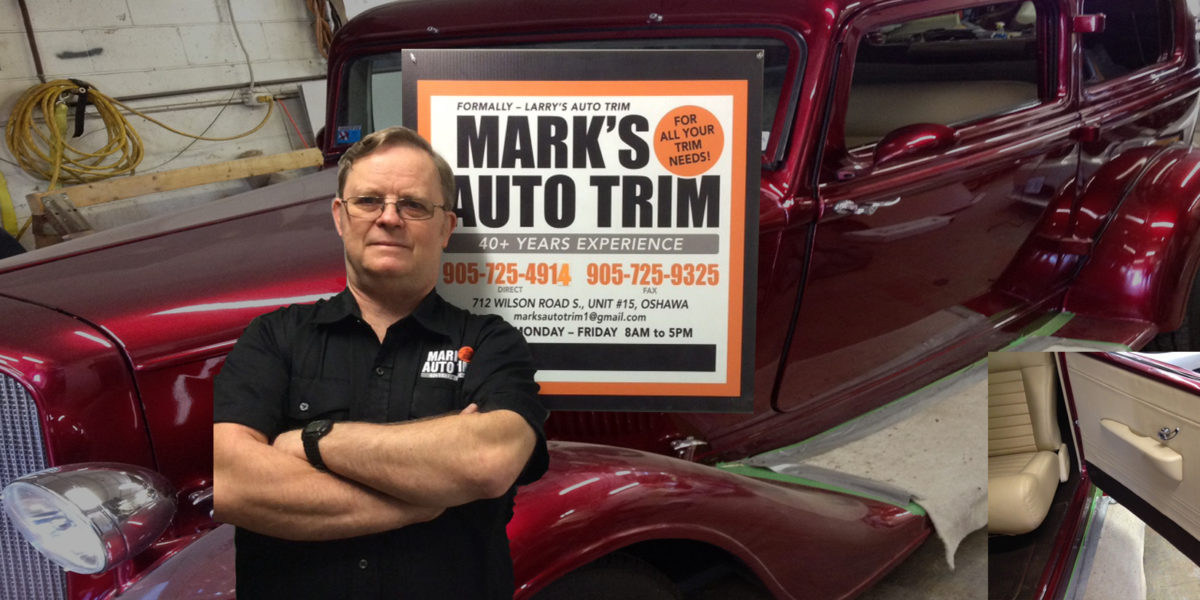
- Mark’s Auto Trim — a local trim shop that advertises motorcycle seat repair and re-covering in Oshawa.
- Regional specialists and mobile leather/vinyl repair services (Fibrenew, Potzy’s, etc.) can handle delicate leather or rapid on-site repairs.
Pro tip: Ask a shop whether they use stainless hog rings and UV-resistant thread — small details that indicate quality.
Maintenance checklist to keep your seat shiny & lasting longer
- Clean monthly (or more often in salty/wet climates).
- Condition vinyl every 3–6 months with a UV protectant.
- Park in shade or use a breathable motorcycle cover.
- Repair small tears immediately — small fixes are cheap and prevent major jobs.
- If storing for winter, remove seat and store in a cool, dry place to avoid mildew.
Cost expectations (general guidance)
- Small repair/patch: low cost — usually under the price of a full cover.
- Foam replacement or reshaping: moderate cost (depends on complexity).
- Full re-cover: varies widely with material choice and shop labour — expect a meaningful investment for premium materials or custom stitching.
For exact quotes in Oshawa, contact local shops for estimates — Trim Tech Interiors and Mark’s Auto Trim provide motorcycle seat services and are good starting points.
Quick FAQ
Q: Can I restore the shine on a cracked vinyl seat?
A: Restorers can improve appearance, but deep cracks usually need a patch or full replacement to stop moisture ingress.
Q: Is marine vinyl necessary?
A: Marine-grade vinyl offers superior UV and mildew resistance and is a great choice for motorcycle seats exposed to the elements.
Q: How long does a professional re-cover take?
A: Depends on workload — anywhere from a few days to a couple of weeks. Ask the shop for a timeframe.
Q: Can I use car leather conditioner on my motorcycle seat?
A: Only if your seat is genuine leather; most modern seats are vinyl and need vinyl-specific conditioners.
Final checklist before you begin
- Inspect thoroughly and photograph damage.
- Decide: restore (clean/condition/patch), repair (foam/patch seam), or replace (new cover).
- Gather the right materials or select a local upholstery shop. If you choose Seat Cover Replacement for Motorcycles in Oshawa Ontario, get multiple quotes and view previous motorcycle work. Trim Tech Interiors and Mark’s Auto Trim are local places that advertise motorcycle seat work.